![Alaska Housing Finance Corporation [Logo]](/application/themes/ahf2/images/logo.png?v=2)
Steps to Take This Fire Prevention Month
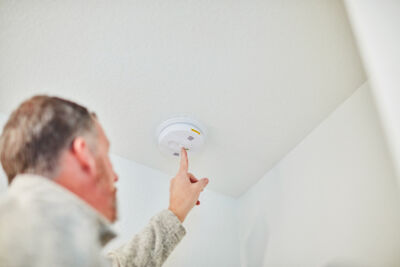
October is Fire Prevention Month!
As we head into the winter, it's a great time to ensure your household is prepared. Review this checklist, discuss fire prevention with your family, and run through your escape plan. Taking proactive, preventative steps is the best way to prevent fires in the home and feel confident that you know what to do in case of an emergency.
Check That Your Home Systems are Working Correctly
- Test your smoke detectors and carbon monoxide detectors and change the batteries every 6-12 months, depending on manufacturer instructions. Working alarms are your first line of defense in the event of an emergency.*
- Keep outside exhaust vents completely clear of snow and ice. Clear vents allow carbon monoxide to escape.
- Have your heating system and chimney inspected by a professional annually.
*If a carbon monoxide detector goes off, don’t investigate – get out and call the fire department. They have the equipment needed to safely determine the CO levels of your home.
Operate Appliances and Devices Safely
- Plug space heaters directly into a wall outlet, not an extension cord. Turn them off before going to bed or leaving the room.
- Switch off electric blankets before going to sleep and check the cord regularly to make sure it isn’t damaged or frayed.
- If you have an oxygen tank in your home, keep it away from flammable materials or flame sources.
- Lower your risk of electrical fires by not overloading your electrical systems. Review the signs of an overloaded circuit and never plug a major appliance into an extension cord or a multi-outlet converter.
Be Mindful of Safety When Cooking
- Never leave the stove unattended when cooking.
- Keep the cooking area free of flammable items like towels and food packaging.
- Never attempt to extinguish a grease fire with water. Keep a fire blanket in the kitchen to smother a cooking fire.
Practice Your Emergency Plan
- Even if you take all the right precautions, emergencies can still happen. Make an emergency escape plan and practice it with every member of your household.
- Get tips from the U.S. Fire Administration to help you create a plan from scratch.
- Make sure you have a sufficient number of fire extinguishers (at least one extinguisher on every level of your home) and make sure you know how to use them. Review operation and safety instructions from the National Fire Protection Association if you need a refresher.
- Include wildfire preparedness into your emergency plan. This includes planning an evacuation route, preparing a go bag to keep in your vehicle and strengthening your home safety by keeping a fire-safe perimeter around your home. Visit Ready.gov/wildfires for detailed advice.
Prepare Documents
During a home emergency, you may have to make quick decisions about what to take with you and financial records may not be what comes to mind. Collect important records and keep them in a fire safe to avoid problems during an emergency.
- Account numbers and customer service numbers
- Personal Records
- Identification: driver’s license, passports, social security cards, birth certificates, etc.
- Marriage and divorce papers
- Home title/deeds and car/boat registrations
- Financial Records
- Insurance policies
- Room-by-room inventory of personal items
- Investment records
- Income tax information
- Pay stubs and employer benefits
- Wills, trusts, financial and medical powers of attorney
- Computer Files – use a cloud service or other system to back up your financial records, passwords, family photos and videos.
- Keep a current record of your medications so they can be replaced rapidly.
For a full list of documents to have at the ready, review this FEMA checklist published by Ready.gov.
Renter’s Insurance
If you’re a renter, consider purchasing renter’s insurance. In the event of a fire, the building owner’s insurance may not cover you and your belongings. Renter’s insurance is typically affordable and may help with the cost of interim housing, as well as giving you peace of mind.
We encourage families in public housing or with AHFC vouchers to get renter's insurance.
Going Forward
At least once per year, take the time to review best practices for fire safety and remind your family of your emergency escape plan. It could mean the difference between an emergency and a tragedy.
Visit the National Fire Protection Association website for more information about home fire safety and resources for the whole family.