![Alaska Housing Finance Corporation [Logo]](/application/themes/ahf2/images/logo.png?v=2)
Helping Our Communities Stay Safe This Winter
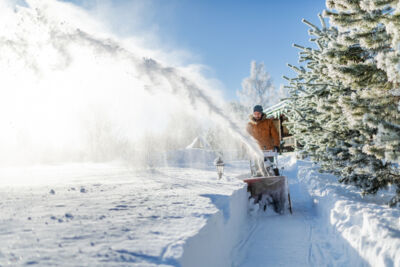
As Alaskans we know how important it is to look out for each other, especially during the cold winter months. Older adults, children, and other vulnerable people are at increased risk during extreme weather. Review the steps below and check in with your loved ones in case they need help preparing to weather the winter.
Together, we can help our communities stay safe and warm.
Heating Your Home
It’s important to ensure that heating your home doesn’t compromise safety.
- Never use a propane, gas or electric stove for heating.
- If you use a space heater, never plug it into a power strip. Only operate the space heater on a flat surface and keep it at least three feet away from anything flammable.
- Have your chimney or flue inspected every year.
- If you or someone you know needs help with home heating, apply for the State of Alaska Heating Assistance Program.
Did you know?
As we age, our ability to feel changes in temperature declines. For older adults, make sure the indoor thermostat is unobstructed and easy to access and easy to read. Check it frequently during the winter months to ensure the house doesn’t get too cold.
Carbon Monoxide
Some heat sources increase the risk of carbon monoxide leaks. Test your carbon monoxide detector regularly and replace the batteries if needed. (AHFC recommends replacing batteries on detectors twice each year while you're setting your clocks for daylight saving time).
Be aware of the warning signs of carbon monoxide poisoning (headache, nausea, vomiting, dizziness, confusion, weakness, blurred vision). If you think you or someone in your home may have carbon monoxide poisoning, move into fresh air immediately and seek medical attention.
Preparing for Winter Storms
Keep informed about your local weather forecast and if a storm is expected, make sure your emergency kit is well stocked and check on your family, friends and neighbors to make sure they are prepared.
Emergency Preparedness
Proactively prepare for extended power outages by stocking a home emergency kit, including:
- Water and non-perishable food
- Flashlight and batteries
- First aid kit
- Battery-powered radio
- Warm blankets
- Essential medications
- Contact information for family and friends
Make an emergency plan for your household and talk to your support network – friends, family, neighbors and caregivers – to include them in your plan and agree to check in with each other if an emergency or outage occurs.
Winter Driving
Prepare for winter travel by being aware of road conditions before driving and give yourself plenty of time to reach your destination safely. Make sure your vehicle is well-maintained and equipped with the right tires for the season. Keep a cell phone with you and stock your car with emergency supplies including:
- First aid kit
- Blankets
- Warm clothes (hat, gloves, etc.)
- Booster cables
- Shovel
- Rock salt or sand
- Flashlight
- Water
For your safety:
- Drive slowly and leave extra space between vehicles.
- Be mindful of black ice on roads.
- Walk carefully and avoid sudden movements that could lead to slips or falls.
- Use ice cleats when possible.
For more information on staying safe during winter weather, visit Ready.gov.
Find additional tips from the CDC to help you prepare for winter storms.