
Carbon Monoxide Awareness Month - What to Know
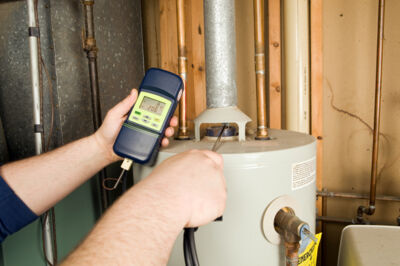
November is Carbon Monoxide Awareness Month – an annual reminder to take proactive steps to prevent CO exposure.
Here’s what you should know to keep yourself and your loved ones safe.
What is Carbon Monoxide?
Carbon monoxide is a colorless, odorless, poisonous gas found in the fumes produced by:
- Vehicles
- Small engines
- Fuel stoves
- Lanterns
- Grills
- Fireplaces
- Gas ranges
- Furnaces
- Generators
- Heaters
- Gas-powered power tools
Physical Signs of CO Poisoning
Common symptoms of CO poisoning are similar to the flu: headaches, dizziness, weakness, upset stomach, vomiting, chest pain and confusion.
If you or someone around you has these unexplained symptoms and you think it is possible you have been exposed to Carbon Monoxide, or if your CO detector goes off, immediately get outside to fresh air, call 911, and do not re-enter the home to investigate the source of the gas. Emergency responders will have the equipment to identify the problem safely.
Protect Your Household from CO Poisoning
Here are simple steps you can take to prevent CO poisoning:
CO Detectors
- Install and maintain CO alarms inside your home. There should be an alarm outside each sleeping area and on every level of your home.
- The U.S. Fire Administration recommends testing your CO detectors monthly. Change batteries regularly, according to manufacturer instructions. Working alarms are your first line of defense in the event of an emergency.*
*According to the National Carbon Monoxide Awareness Association, only 49% of families in the U.S. have a properly functioning carbon monoxide alarm.
Home Safety
- Have a professional inspection of your heating system annually.
- Ensure that outside exhaust vents stay completely clear of snow and ice. Keeping vents clear allows carbon monoxide to escape.
- Never use a gas oven to heat your house.
- Never use a stove or fireplace that isn’t vented.
- Only use portable generators outdoors and at least 20 feet away from your home. Make sure exhaust is directed away from doors, windows and vents.
Vehicle Safety
- Never run your car or truck inside a garage that is attached to a house.
- Never let your vehicle idle if the exhaust pipe is obstructed by snow or ice. Be mindful of snow buildup if you’re running your car outside your home or in a parking lot.
- Have a mechanic check the exhaust system of your vehicle annually. A leak in the exhaust system can lead to a buildup of CO inside the vehicle.
For more information and printable resources, visit:
National Carbon Monoxide Awareness Association
CDC: Carbon Monoxide Poisoning Basics
US Fire Administration: Carbon Monoxide Poisoning Prevention